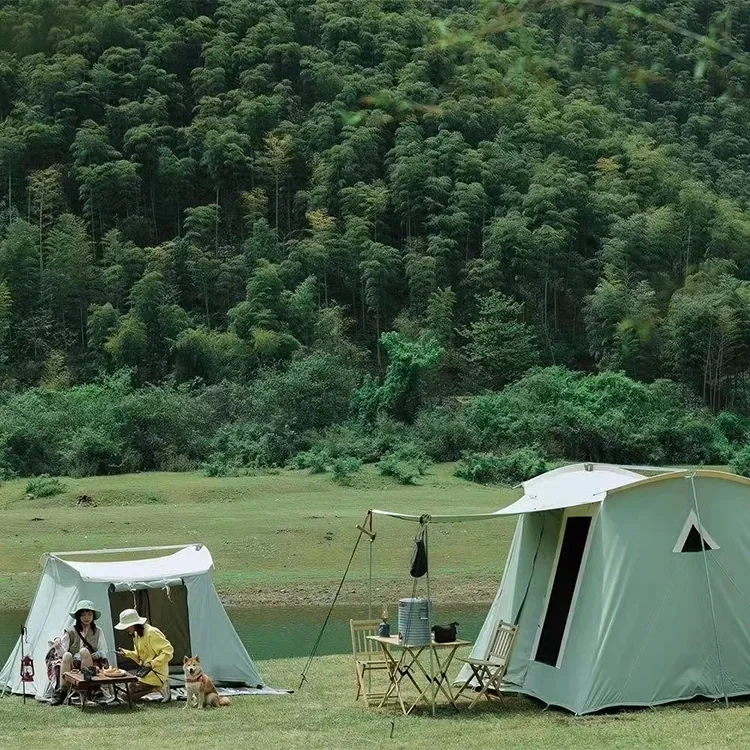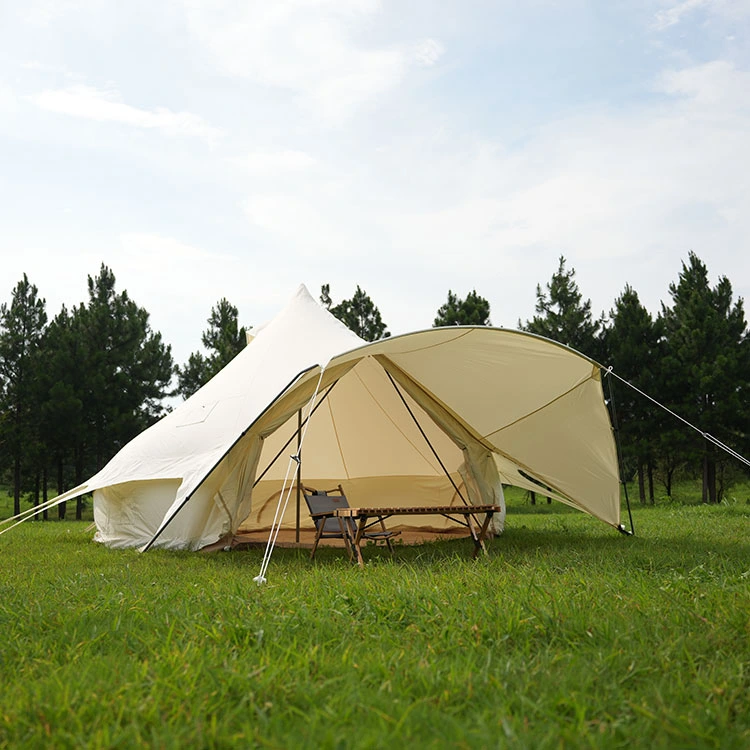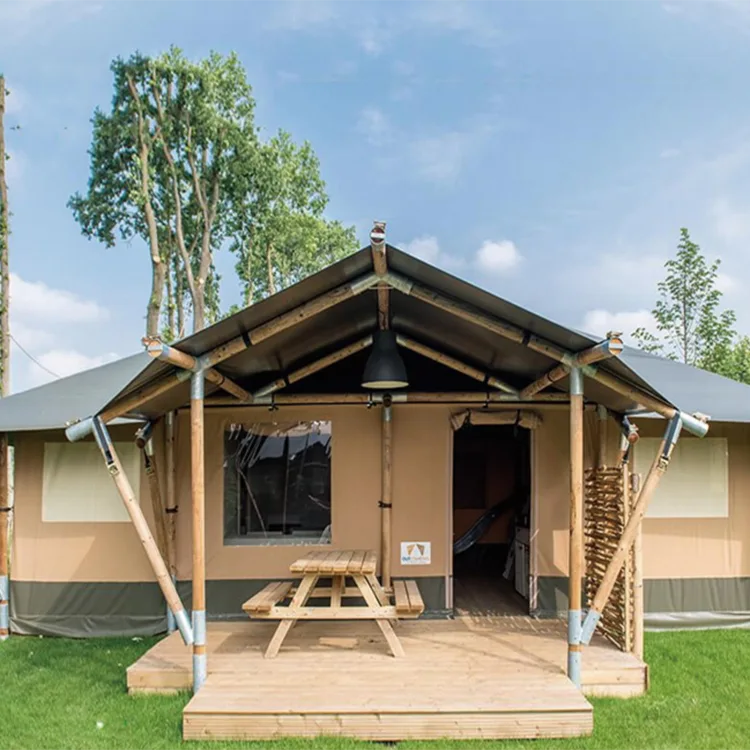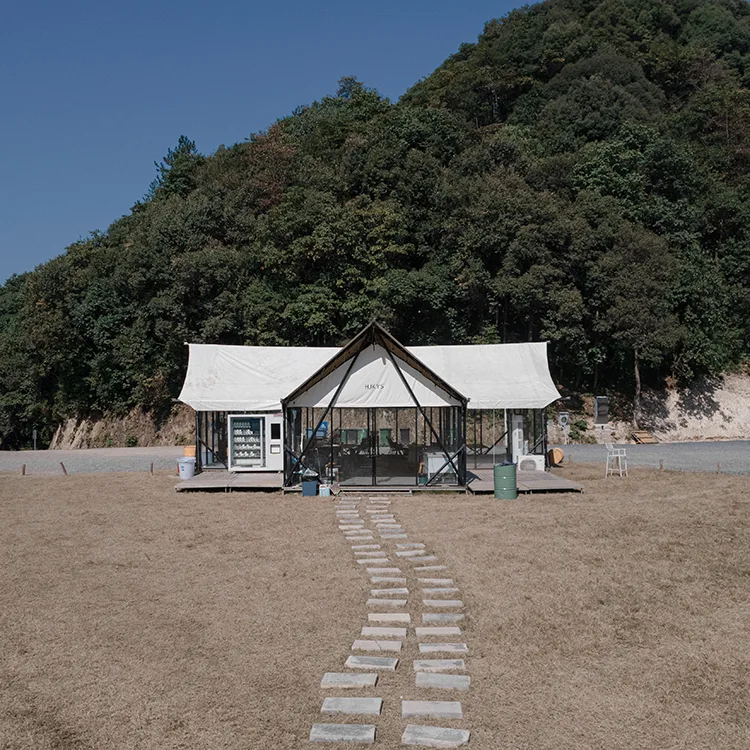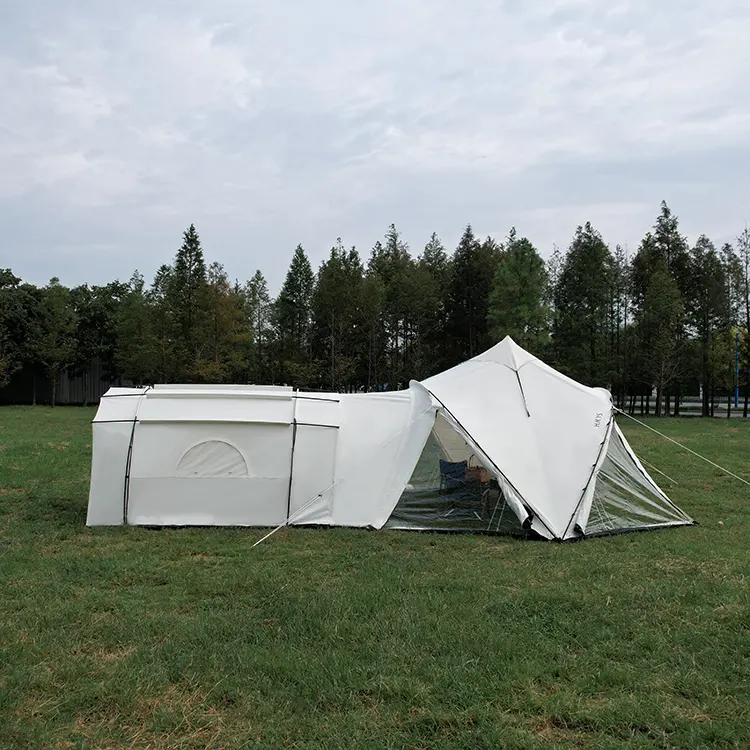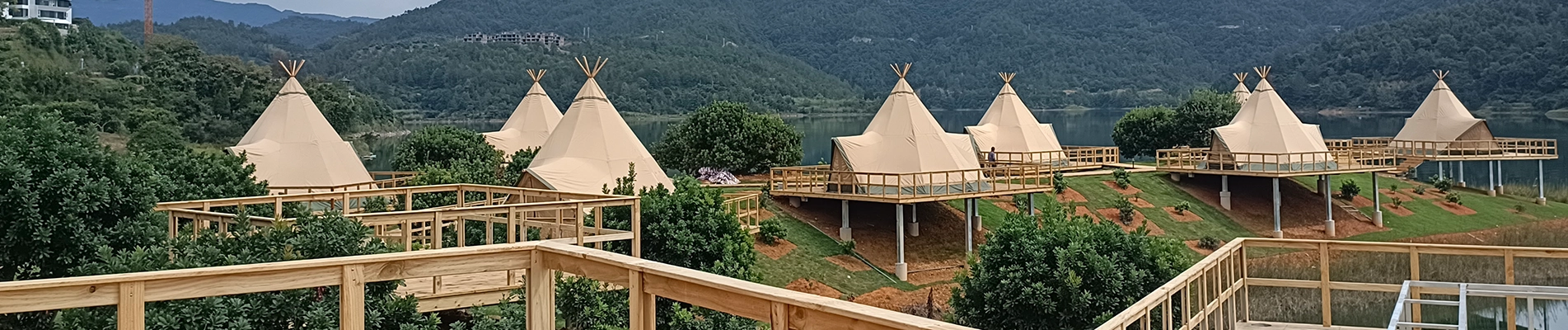
In the outdoors, a tent is far more than a simple shelter from wind and rain—it is a critical piece of life-safety equipment. A poorly chosen or improperly pitched tent can transform a pleasant camping trip into a dangerous episode of hypothermia or equipment failure within minutes. The practicality of a tent rests on four pillars: structural design, fabric technology, proper pitching protocols, and disciplined maintenance.

Many people assume a tent is simply "something you pop up to sleep in." In reality, structural design directly determines wind resistance, interior space, and pitching efficiency:
Dome Tents: The classic crossed-pole configuration, where two or more poles intersect at the apex to form an arch. Offers excellent wind resistance and is freestanding, allowing you to move it after pitching. The downsides are relatively cramped headroom and heavier pack weight.
Tunnel Tents: Composed of multiple semi-circular hoops arranged longitudinally, creating an aerodynamic profile through the separation of inner and outer layers. The small frontal area delivers outstanding wind resistance, making these a favorite for expedition use. The trade-off is they are non-freestanding and require pegging out before they will stand.
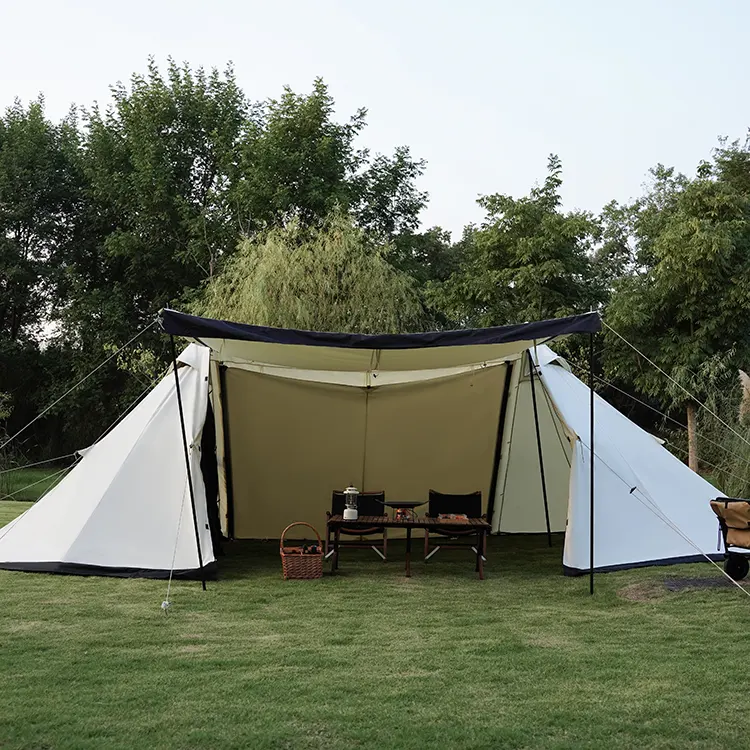
Pyramid / Mid Tents: Supported by a single central pole with four sloping sides. Exceptionally lightweight (achievable under 1 kg), with excellent snow-load performance as snow slides off the steep sides. The compromises are inefficient floor space and a central pole that intrudes into the living area.
To help you compare at a glance, here is a summary of the three mainstream structures:
| Structure Type | Wind Resistance | Pitching Difficulty | Best Use Case |
|---|---|---|---|
| Dome | Good | Easy | Family camping, weekend backpacking |
| Tunnel | Excellent | Moderate | High-altitude expeditions, polar travel |
| Pyramid | Excellent | Easy | Ultralight trekking, winter camping |
When shopping, simply looking at a "waterproof rating" is not enough. Practical selection demands attention to the following core metrics:
Waterproof Rating (Hydrostatic Head): Measured in millimeters (mm). 3000 mm is the entry-level threshold, suitable for light showers. 5000 mm and above handles moderate to heavy rain reliably. 10000 mm and above is considered professional-grade, capable of withstanding sustained downpours. However, note that higher waterproof ratings typically mean heavier, less breathable fabrics.
Breathability and Condensation Management: Internal condensation is often a more frequent problem than external rain. Single-wall tents rely on the fabric's inherent breathability (e.g., Gore-Tex). Double-wall tents manage condensation through the air gap between the inner and outer layers. Key feature to look for: High-level vents (hot-air vents) that exploit the principle of warm air rising to exhaust moisture.
Season Rating:
3-Season Tents: Designed for spring, summer, and autumn. They balance weight and protection, making them the choice for the vast majority of recreational users.
4-Season Tents: Built for winter and severe weather. They feature thicker poles, heavier fabrics, and significantly improved resistance to snow-loading and high winds—but pack weight typically increases by 30–50%.
Peg and Pole Materials: Aluminium alloy poles (such as DAC Featherlite) are lighter and stronger than fibreglass, though more expensive. For pegs, V-section designs offer superior holding power over round pegs. In sandy or snowy conditions, you must use dedicated anchors (e.g., sand pegs or snow stakes).

Selecting the right tent is only half the battle. Incorrect pitching and maintenance will drastically degrade its performance. Below are field-proven practical guidelines:
Periodic DWR Reapplication: The durable water repellent (DWR) finish on the flysheet wears down with use. When water no longer beads and rolls off the fabric but instead soaks in, the DWR is depleted and must be restored using a dedicated spray or wash-in treatment.
Pole Care: Avoid forcing poles when assembling or disassembling. If a pole section fractures, you can use a spare sleeve for an emergency field repair—but this is a temporary fix only.
| Mistake | Consequence | Correct Practice |
|---|---|---|
| Skipping guy lines | Wind resistance reduced by over 50%; flysheet collapses onto inner tent, causing condensation to wet the sleeping bag | Tension all guy lines even in calm weather—pre-tensioning is essential |
| Using open-flame stoves inside the tent | Carbon monoxide poisoning; tent fire | Use stoves only in the vestibule or outside the tent |
| Wearing boots inside the inner tent | Punctured floor; abrasive dirt damages fabric | Remove boots in the vestibule or use a stuff sack as a boot bag |
The practical value of an outdoor tent extends far beyond "keeping the rain off." It begins with accurately assessing your intended environment and making a scientific selection, continues through careful site choice and disciplined pitching, and concludes with proper packing and routine maintenance. Every correct action builds a margin of safety for your next trip.
When you face a tent, approach it with the mindset of an engineer—focus on structure, materials, and operational details. In the wilderness, your tent is your last line of defence. Treat it well, and it will protect you in return.